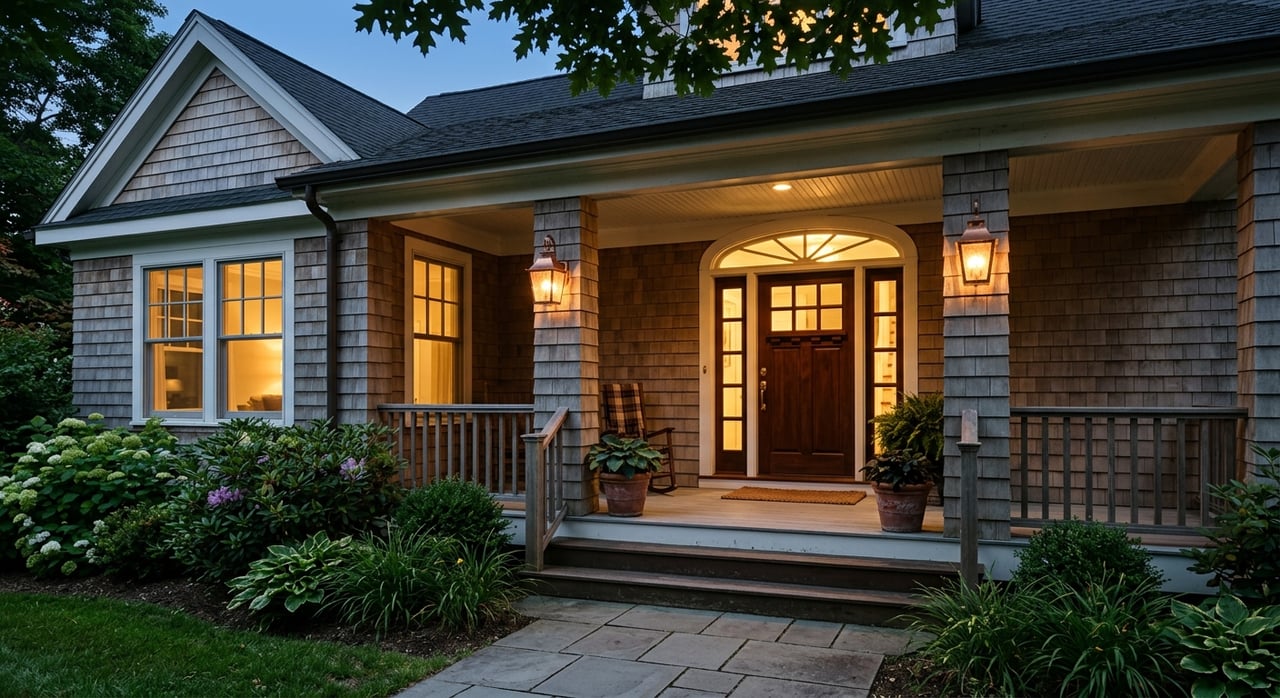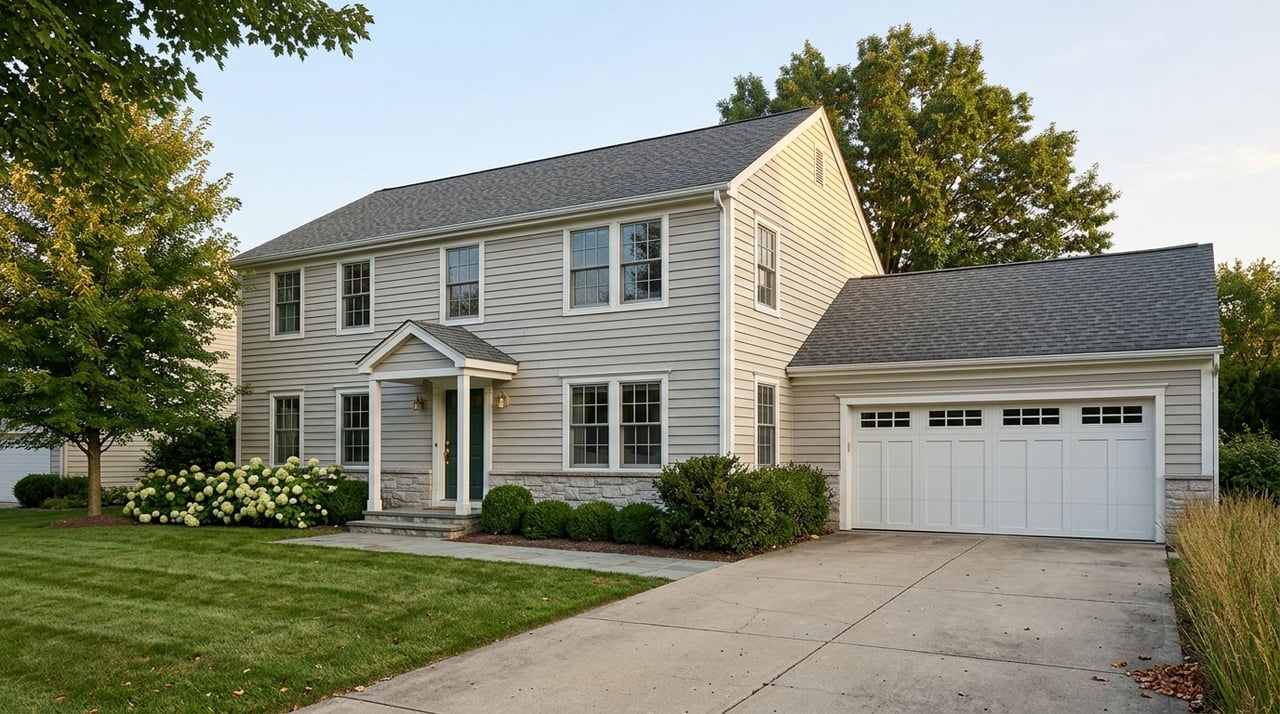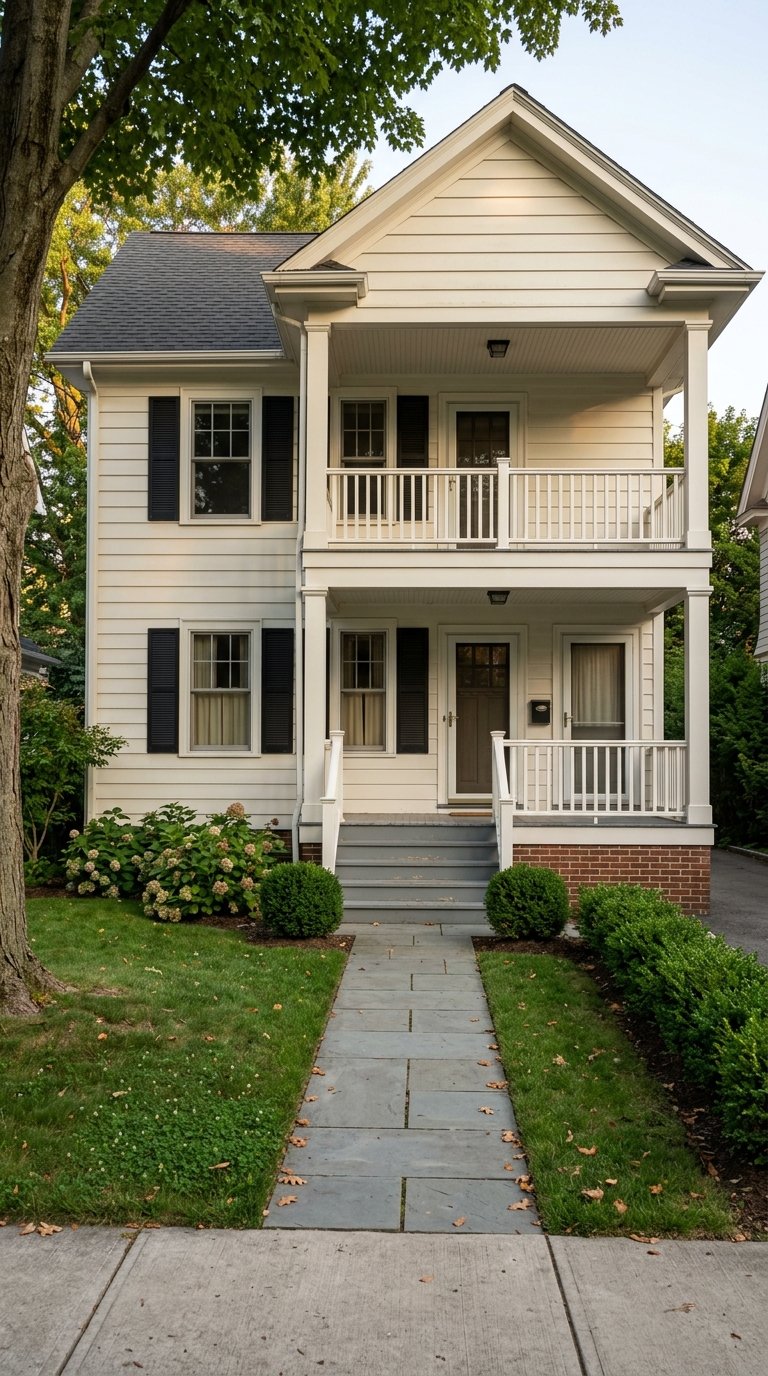
If you have been thinking about buying a duplex, triplex, or four-family in Manchester, CT, you are looking at a market with a lot to like and a few things you need to underwrite carefully. Manchester has a large renter base, approachable entry pricing compared with many higher-cost markets, and housing stock that can create value-add opportunities. At the same time, older properties, repair needs, and affordability limits mean the best deals usually reward discipline, not guesswork. Let’s dive in.
Why Manchester stands out
Manchester has the kind of housing mix that naturally supports small multifamily investing. According to the town’s 2024 housing data profile, 44% of occupied homes are renter-occupied, 45% of housing units are in multifamily buildings, and renters occupy 79% of multifamily homes.
That matters because it points to steady underlying tenant demand. The town’s 2025 profile also shows a population of 59,473 and 25,051 households, supported by a diversified employment base that includes government, health care, retail, manufacturing, and food services.
For you as an investor, that mix suggests a market driven more by real housing demand than by pure speculation. In practical terms, Manchester can be appealing if you want a rental property with a broad tenant pool and more approachable pricing than many larger metro areas.
What prices look like
Manchester small multifamily properties often enter the market in a range that feels accessible to local buyers and newer investors. Based on the research snapshot, current asking prices for smaller multifamily listings have clustered in the low-to-mid $300,000s, while recent sales have stretched from the mid-$200,000s into the $400,000s.
A simple way to think about it is this:
- Smaller duplexes and triplexes often show up around the low-to-mid $300,000s
- Cleaner, larger, or better-positioned properties can move into the $400,000s
- Actual value can swing fast based on condition, utility setup, and needed repairs
That range gives you a potential entry point that may feel more realistic than in many higher-cost investment markets. It also means your deal analysis matters, because two properties with similar list prices can perform very differently once taxes, repairs, and vacancy are factored in.
Rent benchmarks to use carefully
One of the easiest mistakes in multifamily investing is treating one rent number as the truth. In Manchester, the better approach is to compare multiple benchmarks and use them as guardrails.
According to Zillow’s Manchester rental market trends, the current average rent is $1,950. That same source shows average rents of $1,499 for a one-bedroom, $1,883 for a two-bedroom, $2,200 for a three-bedroom, and $2,478 for a four-bedroom unit.
At the same time, the town profile reports a median rent of $1,486 based on ACS 2019-2023 data. HUD’s fair market rent schedules, which are used for assisted-housing program standards rather than open-market asking rents, also provide another useful reference point.
The takeaway is simple: use rent data as a range, not a promise. If you are evaluating a Manchester duplex or triplex, it is smart to compare current asking rents, local historical rent figures, and your property’s actual condition before assuming upside.
Vacancy still supports demand
Manchester’s vacancy data supports the case for rental demand, even if the market is not overheated across every unit type. The town’s 2020 consolidated plan cites ACS rental vacancy at 4%, with homeowner vacancy at 1%.
That is consistent with a market where available rental supply is not excessive. The same research snapshot also notes that Connecticut’s statewide rental vacancy rate was 2.2% in Q4 2024, reinforcing the broader supply-constrained picture.
For you, this means Manchester can support landlord economics, but it does not mean every rent increase will work. You still need to underwrite for affordability and tenant retention, especially if you are buying an older property that needs improvements.
Affordability shapes the market
Affordability is one of the most important parts of the Manchester story. The research report notes that 42% of renter households are cost-burdened, while 32% of households overall are cost-burdened. It also notes that the Manchester Housing Authority administers 504 Housing Choice Vouchers, and that the housing wage for a two-bedroom apartment is $28.83 per hour.
That creates a market where demand for reasonably priced rentals can stay durable. It also means there is a practical limit to how aggressively many properties can be repositioned on rent alone.
If you are investing here, the strongest strategy is often to look for properties where rents can improve because of better management, smart repairs, or more efficient layouts, not because you are counting on unlimited price growth. In many cases, stable and realistic rent assumptions will serve you better than an overly optimistic pro forma.
Older housing creates upside and risk
Manchester has older housing stock, and that can work for you or against you. The town’s 2024 housing profile says 58% of units were built before 1970, and the consolidated plan says 77% were built before 1980.
Older homes often offer character, larger layouts, and room for value-add improvements. They can also come with lead-based-paint risk and common repair issues involving plumbing, electrical systems, porches, stairs, windows, and doors, as noted in the local planning documents.
This is why two similar multifamily properties can produce very different results. A property with separate utilities and a manageable repair list may offer strong long-term value, while a property with deferred maintenance and major system issues can quickly become expensive.
How to screen a Manchester deal
If you are serious about investing in Manchester CT multifamily properties, your first pass should stay simple and conservative. Before you get attached to a property, look at these basics:
- Purchase price
- Unit mix and bedroom count
- Current rents versus market-supported rents
- Vacancy allowance
- Operating expense estimate
- Property taxes
- Immediate repair needs
- Utility setup, especially whether utilities are separate
The research report provides a helpful example. Using Zillow’s current average two-bedroom rent of $1,883, a two-unit property would produce $45,192 in annual gross rent. If you underwrite 5% vacancy and 40% operating expenses, annual net operating income comes out to about $25,759, which implies roughly a 6.9% cap rate before financing on a $374,900 purchase.
That is only an illustration, not a guarantee. But it shows how a Manchester deal can look workable on paper if the rent, expenses, and repair assumptions are grounded in reality.
Taxes can move the numbers fast
Property taxes deserve their own line item in Manchester. The town’s 2025 town profile lists an actual mill rate of 36.52, and the research report notes a recent duplex sale at 21 Hathaway Ln with 2025 property taxes of $4,030.
For small multifamily properties, taxes can change your monthly picture more than many buyers expect. A deal that looks strong based only on gross rent may feel much tighter after taxes, insurance, maintenance, and reserves are added.
That is why conservative underwriting matters so much in this market. If you want a property to perform over time, model the taxes clearly from day one.
Owner-occupied vs. investor financing
Your financing path can shape what kind of multifamily purchase makes sense. According to Freddie Mac’s maximum LTV guidelines, owner-occupied 2-unit primary residences can go up to 95% loan-to-value, and owner-occupied 3- and 4-unit primary residences can also reach 95% LTV in eligible scenarios.
For 2- to 4-unit investment properties, the cap is 75% LTV. In plain terms, that often means about 5% down for an owner-occupied purchase and about 25% down for a non-owner-occupied investment purchase.
The research report also notes that FHA-insured mortgages can include 2- to 4-unit properties with a 3.5% minimum required investment in eligible situations. For buyers who are open to living in one unit, house hacking a duplex, triplex, or four-family may create a much lower barrier to entry than buying strictly as an investor.
What a strong Manchester property often looks like
Not every multifamily in Manchester is a fit, but the most defensible opportunities often share a few traits. Based on the research report, properties tend to stand out when they offer:
- Separate utilities
- Manageable rehab scope
- Rents that align with current local benchmarks
- A realistic path to stable occupancy
- A business plan that does not depend on aggressive yearly rent jumps
That kind of deal is usually more durable over time. It gives you room to improve operations and property condition without relying on best-case assumptions.
Why local guidance matters
Small multifamily investing is not just about finding a listing that looks good online. In Manchester, details like age of systems, rental positioning, utility configuration, and realistic repair scope can make a major difference in whether a property truly works.
That is where local insight helps. When you work with a team that understands Hartford County and takes a relationship-first approach, you are better positioned to compare options, pressure-test assumptions, and move forward with more confidence.
If you are exploring duplexes, triplexes, or four-family homes in Manchester, Rainbow Realty Group can help you evaluate the opportunity with clear guidance, local perspective, and hands-on support.
FAQs
What makes Manchester CT attractive for multifamily investing?
- Manchester has a high renter share, a large share of multifamily housing, relatively tight vacancy, and purchase prices that can be more approachable than in many higher-cost markets.
What is the typical price range for Manchester CT duplexes and triplexes?
- Based on the research report, smaller duplexes and triplexes often enter around the low-to-mid $300,000s, while larger, cleaner, or better-positioned properties can reach into the $400,000s.
What rents should you expect for Manchester CT multifamily units?
- Rent depends on unit size, condition, and data source, but Zillow’s current market trends show averages of $1,499 for one-bedrooms, $1,883 for two-bedrooms, $2,200 for three-bedrooms, and $2,478 for four-bedrooms.
What risks should you watch when buying older Manchester CT multifamily properties?
- Many local properties were built decades ago, so common concerns include lead-based-paint risk, outdated plumbing or electrical systems, and repairs involving porches, stairs, windows, and doors.
Is owner-occupied multifamily financing easier in Manchester CT?
- It can be, because owner-occupied 2- to 4-unit financing may allow much higher loan-to-value limits than non-owner-occupied investment financing, depending on the loan program and borrower qualifications.